
Headless studio
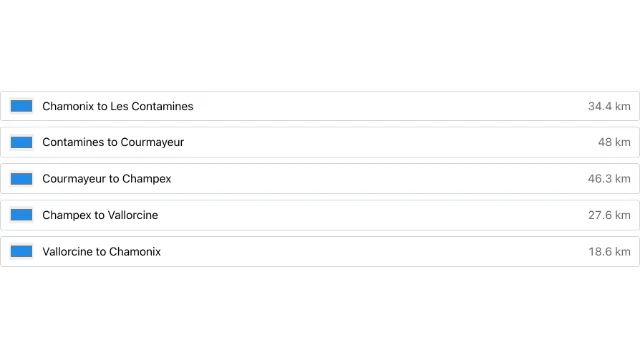
A segment list drawn in plain ul, li and button markup that renames and deletes through the studio's own verbs. It ships no design system and no map renderer.
The @mountaya/* packages are coming to npm. Until they are published, the install commands on these pages fail with a 404.
Every file the app needs, as it builds in the SDK repository. src/App.tsx wires the studio by hand, and src/SegmentList.tsx is your markup.
{
  "name": "@mountaya/example-studio-headless",
  "version": "0.0.0",
  "private": true,
  "license": "MIT",
  "description": "A Vite application that renders a segment list with its own markup, on the studio's own verbs.",
  "type": "module",
  "scripts": {
    "build": "vite build",
    "dev": "vite",
    "lint": "tsc --noEmit"
  },
  "dependencies": {
    "@mountaya/client": "0.1.0",
    "@mountaya/client-react": "0.1.0",
    "@mountaya/elements": "0.1.0",
    "@mountaya/elements-react": "0.1.0",
    "@mountaya/studio": "0.1.0",
    "@mountaya/studio-react": "0.1.0",
    "@tanstack/react-query": "^5",
    "maplibre-gl": "6.18.0",
    "react": "19.3.1",
    "react-dom": "19.3.1"
  },
  "devDependencies": {
    "@types/react": "19.3.0",
    "@types/react-dom": "19.3.0",
    "@vitejs/plugin-react": "6.1.2",
    "typescript": "7.0.2",
    "vite": "8.3.4"
  }
}import react from "@vitejs/plugin-react";
import { defaultClientConditions, defineConfig } from "vite";
/**
* The example builds against the packages' SOURCE, not their `dist`.
*
* `@mountaya/source` is the condition every package in this family publishes its own TypeScript
* under, and naming it here is what makes this example a gate rather than a demo: a change to a
* component is compiled by this build on the next run, with no `npm run build` in between. A
* demo pointed at `dist` would go on succeeding against whatever was built last, which is the
* failure mode an example exists to catch.
*
* It is also the one thing in this file a consumer should NOT copy. Their bundler resolves the
* published `dist` under the default conditions, which is what `scripts/packaging.test.mjs`
* holds every package to (its "resolves to source only under the scoped condition" rule).
*/
export default defineConfig({
plugins: [react()],
resolve: {
// Vite replaces its default conditions with a list a config names, so they follow the
// condition: without them a dependency loses `module`, `browser` and `development|production`.
conditions: ["@mountaya/source", ...defaultClientConditions],
},
});<!doctype html>
<html lang="en">
<head>
<meta charset="utf-8" />
<meta content="width=device-width, initial-scale=1" name="viewport" />
<title>Mountaya studio, headless</title>
</head>
<body>
<!-- No stylesheet is imported anywhere in this application. That is the point of it: the
markup below is the consumer's, so the styling is too. -->
<div id="root"></div>
<script src="/src/main.tsx" type="module"></script>
</body>
</html>import { StrictMode } from "react";
import { createRoot } from "react-dom/client";
import { App } from "./App.js";
/**
* The mount, and the whole of what this file is.
*
* No stylesheet import, unlike `examples/studio-vite/src/main.tsx`. That difference is the
* example: `@mountaya/studio-react/headless` brings no design system and paints nothing, so
* there is no sheet to import and nothing to theme.
*
* StrictMode is on deliberately. It double-invokes effects in development, which is what finds
* a store subscription that does not survive being mounted twice, and a consumer's application
* will have it on.
*/
const container = document.querySelector("#root");
if (container === null) {
throw new Error("index.html has no #root to mount into.");
}
createRoot(container).render(
<StrictMode>
<App />
</StrictMode>,
);import { QueryClient, QueryClientProvider } from "@tanstack/react-query";
import { type ReactNode, useMemo, useState } from "react";
import { Mountaya } from "@mountaya/client/browser";
import {
MountayaProvider,
useItinerary,
useMountaya,
useSessionToken,
} from "@mountaya/client-react";
import {
createStaticViewer,
createUiStore,
persistedItineraryView,
restStudioPersistence,
type StudioToolContext,
} from "@mountaya/studio";
import { createStudioToolBus } from "@mountaya/studio/handlers";
import { browserSaveFile } from "@mountaya/studio/seams";
import { MountayaStudioProvider, useStudioCache } from "@mountaya/studio-react/headless";
import { SegmentList } from "./SegmentList.js";
const PUBLISHABLE_KEY = "pk_…";
const USER_ID = "user_…";
const ITINERARY_ID = "itin_…";
const queryClient = new QueryClient();
/**
* Mints the session token the draft is read and written under.
*
* Minting takes the secret key, so your server does it: this endpoint calls `POST /v1/sessions`
* with `{ publishable_key, surface: "studio-embedded", user_id }` and returns the
* `{ token, expires_at, user_id }` it receives. `surface` is the studio's own, the only one a
* `studio-embedded` write accepts. `user_id` is the member your own sign-in vouches for, read from
* your server's session and never from the request, and it is USER_ID: every write acts as the
* user the token names. An answer that is not a success rejects, so the hook reports it and asks
* again.
*/
const mintSession = async () => {
const response = await fetch("/api/mountaya-session");
if (!response.ok) {
throw new Error(`The session endpoint answered ${response.status}.`);
}
return response.json();
};
/**
* The wiring `MountayaStudioHost` does for you, done by hand.
*
* This is the cost of the headless entry and the reason the assembled host exists: a store, a
* bus with the studio's own handlers registered on it, and the context the bus dispatches with.
* The context is typed as what it is, so a member a handler reads and this literal leaves out
* is a compile error here and not a throw inside a dispatch.
*
* `capabilities` is the one thing a real application derives and does not state: a viewer's
* grants come from their membership, and a surface that hard-codes `editor` renders controls the
* server refuses. `saveFile` is the page's own download, because this application runs in one;
* a host with no document names `inertStudioSaveFile` or a save of its own.
*/
const Wired = ({ children }: { readonly children: ReactNode }) => {
const mountaya = useMountaya();
// The studio's cache seam, over the query cache this application reads through and under the
// provider's credential. A handler names the resource it wrote and never a key: a rename that
// invalidates `{ kind: "itinerary", id }` marks the entry `useItinerary` reads stale, and a
// delete evicts the entry of what it deleted.
const cache = useStudioCache(queryClient);
const { bus, context, store } = useMemo(() => {
const uiStore = createUiStore();
// No `playbook`. It is the model-facing tool description the co-pilot reads, it is
// optional, and this application has no co-pilot: passing it would pull
// `@mountaya/studio/agent` into a bundle that renders a list of segments.
const created = createStudioToolBus();
const ctx: StudioToolContext = {
// Where a handler writes, and what it makes stale afterwards: the API itself, through the
// client the list reads with, and the cache the list reads from.
api: {
cache,
client: mountaya,
persistence: restStudioPersistence(mountaya),
},
// The bus's dispatch surface and nothing else of it, as the host hands it: a handler or a
// plugin chains into another verb through it and can take none off.
bus: created.dispatcher,
capabilities: new Set(["authenticated", "editor"]),
// The bus asks before a verb that destroys something runs, and refuses it where there is
// nobody to ask. The one such verb this page dispatches is the delete, and the question
// is this application's to word.
confirm: async () => window.confirm("Delete this segment?"),
map: null,
saveFile: browserSaveFile,
ui: uiStore,
// The reader of this studio, as far as a handler asks: who they are, and nothing they are
// entitled to beyond it. A host with accounts answers the other questions from its own.
viewer: createStaticViewer({ getUserId: () => USER_ID }),
};
return { bus: created, context: ctx, store: uiStore };
}, [cache, mountaya]);
return (
<MountayaStudioProvider client={mountaya} data={{ bus, context, store }}>
{children}
</MountayaStudioProvider>
);
};
/** The itinerary, folded into the view shape the list reads. */
const Segments = () => {
const { data } = useItinerary(ITINERARY_ID);
if (data === undefined) {
return <p>Loading…</p>;
}
return (
<SegmentList
itineraryId={ITINERARY_ID}
segments={persistedItineraryView(data).source.segments}
/>
);
};
/**
* The application: one client for its life, built over `session`.
*
* The session names the member its writes act as, since a publishable key belongs to an
* organization and the client refuses a write under a token minted for nobody. A request made
* before the first token waits for it, so the list's first read is the draft's, and a refresh
* rebuilds nothing.
*/
export const App = () => {
const { session } = useSessionToken({ mint: mintSession });
const [mountaya] = useState(
() =>
new Mountaya({
credential: { publishableKey: PUBLISHABLE_KEY, sessionToken: session },
}),
);
return (
<QueryClientProvider client={queryClient}>
<MountayaProvider client={mountaya}>
<Wired>
<Segments />
</Wired>
</MountayaProvider>
</QueryClientProvider>
);
};import type { ItineraryViewSource } from "@mountaya/studio";
import { useSegmentList, useSegmentRow } from "@mountaya/studio-react/headless";
// Not one import from `@mountaya/studio-react` itself, and no stylesheet anywhere in this file.
// The verbs below (rename and delete) are the same ones Mountaya's own segment list dispatches;
// what is different is every line of the markup.
const Row = ({ itineraryId, name, segmentId }: SegmentRowProps) => {
// The type argument is the seam: `rowProps.ref` is the row element the map's hover scrolls
// into view, and naming `HTMLLIElement` here is what lets it hang on an `<li>`. It defaults to
// `HTMLDivElement`, which is what Mountaya's own row renders, and a headless consumer whose
// markup is not a div says so once.
const row = useSegmentRow<HTMLLIElement>({ itineraryId, segmentId, segmentName: name });
return (
<li {...row.rowProps}>
{row.rename.editing ? (
<input {...row.rename.inputProps} />
) : (
<button onDoubleClick={row.startRename} type="button">
{name}
</button>
)}
<button onClick={() => void row.actions.remove()} type="button">
Delete
</button>
{row.actions.lastFailure === null ? null : (
<span role="alert">Couldn't {row.actions.lastFailure.verb} this segment.</span>
)}
</li>
);
};
interface SegmentRowProps {
readonly itineraryId: string;
readonly name: string;
readonly segmentId: string;
}
export const SegmentList = ({
itineraryId,
segments,
}: {
readonly itineraryId: string;
readonly segments: ItineraryViewSource["segments"];
}) => {
const list = useSegmentList({ itineraryId, segments });
// `liveSegments` rather than `segments`: an edit in flight occupies a visual position without
// occupying a chain one, so rendering the committed chain would drop the row being drawn.
return (
<ul>
{list.liveSegments.map((segment) => (
<Row
itineraryId={itineraryId}
key={segment.id}
name={segment.name ?? "Untitled"}
segmentId={segment.id}
/>
))}
</ul>
);
};Replace pk_…, user_… and itin_… in src/App.tsx with a key carrying the studio-embedded scope, a member's id and an itinerary id. Serve /api/mountaya-session from your backend, as the studio quickstart shows. Drop the resolve.conditions from vite.config.ts: they build the example against the SDK's source in its repository.
npm install
npm run devThe same app is examples/studio-headless in the SDK repository.